
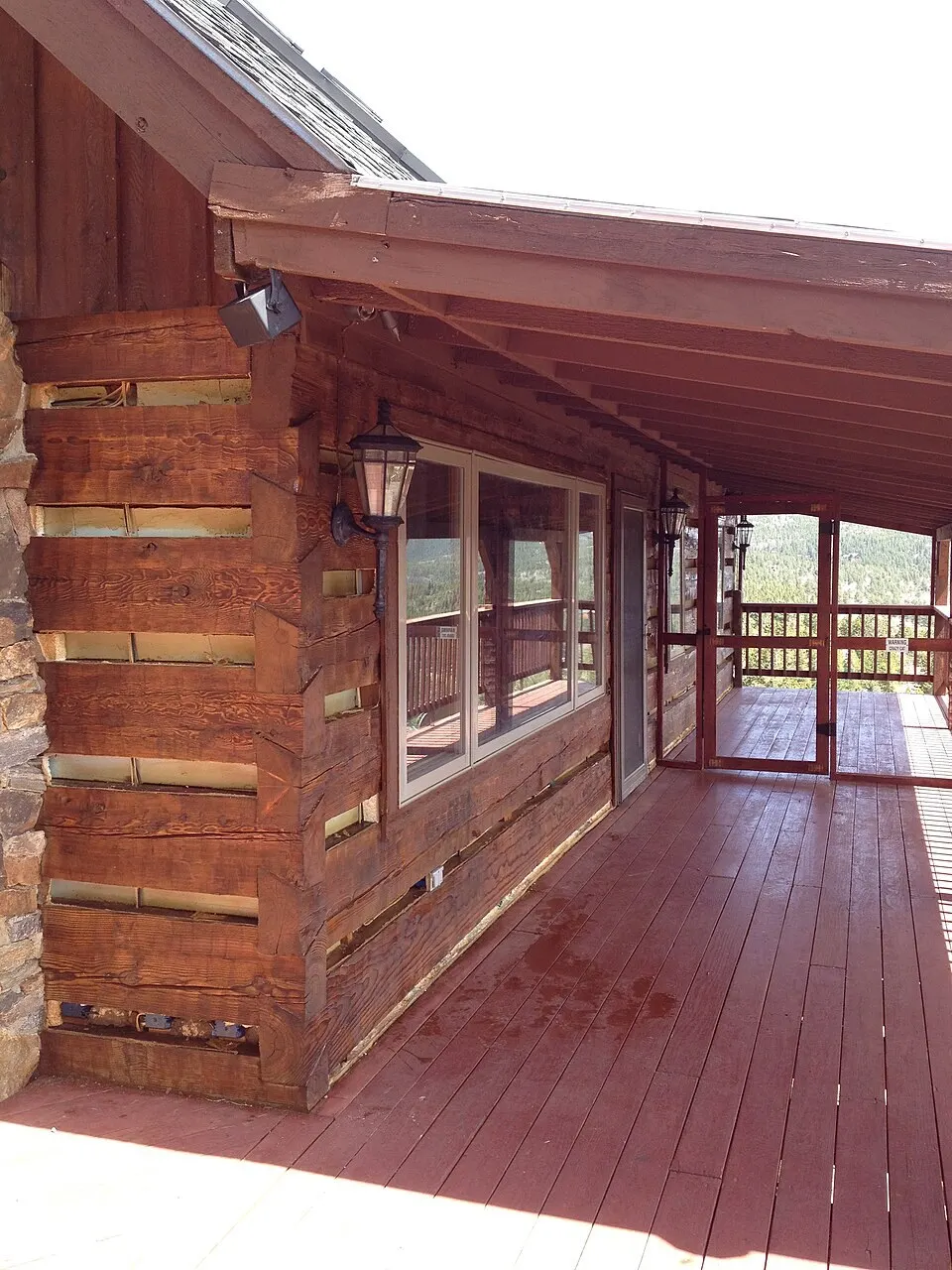
Chinking and Weather Sealing
Log Cabin Chinking & Caulking
TimberGuard repairs cracked chinking, open log joints, failed caulk, window and door gaps, checks, drafts, and water-entry points on log cabins and log homes.
Request a quote for chinking & caulking in East Tennessee or Western North Carolina.
Contact UsRequest a QuoteSigns You Need Sealant Work
Open gaps, cracked chinking, separated joints, daylight between logs, drafty walls, and water staining near seams should be inspected.
Why Joint Design Matters
Log homes move. Flexible log-specific products, proper backer rod, bond breaker use, and correct joint sizing help the sealant perform.
Chinking Gaps and Failed Edges
Cracked or separated chinking can let in wind-driven rain, air, insects, and debris. Some areas can be repaired locally; failed, loose, or poorly bonded sections may need removal and proper joint prep before new material is installed.
Caulked Joints Around Windows, Doors, Corners, and Trim
Many log homes use flexible log-home sealants around trim, butt joints, corners, penetrations, and smaller movement joints. These areas often fail before the main wall because they collect movement, sun exposure, roof runoff, or splashback.
Checks, Cracks, and Log Ends
Not every crack in a log needs to be filled. Upward-facing checks that hold water, exposed log ends, and weather-facing corners deserve closer review because they can carry moisture into the wood.
Manufacturer-Compatible Surface Prep
Existing coatings, old caulk, silicone, oil residue, weathered fibers, dirt, pollen, mildew, and damp wood can interfere with adhesion. TimberGuard reviews the current surface and removes failed material where needed before recommending a product system.
Coordinate Surface Prep With Stain
Chinking and caulking should be planned with cleaning, finish removal, staining, and repairs so the system works together.
Wet or Soft Wood Needs a Different Plan
Sealant can hide a problem if the surrounding logs are soft, wet, or actively taking water. TimberGuard checks the nearby wood and water path before treating the joint as cosmetic.
Common Problem Areas
Corners, windows, doors, checks, trim, penetrations, deck connections, and long weather-facing joints often show separation before the rest of the wall does.
What affects the quote
Service details depend on the cabin condition.
Cabin exterior work is affected by moisture, sun exposure, product compatibility, access, drying time, and the condition of nearby wood. Before recommending chinking & caulking, TimberGuard looks for the surrounding conditions that could make the same problem return.
Helpful details include which wall is failing, whether damage is near a deck or roofline, and whether the finish is failing locally or across the whole structure.
- Where water is coming from and where it drains after storms
- Whether the affected wood is soft, stained, cracked, loose, or only weathered
- How the existing finish behaves around checks, joints, decks, and sun-facing walls
- Whether chinking, caulk, trim, gutters, or deck connections are part of the failure
- What can be handled now versus what belongs in maintenance or a larger restoration
Common questions
Clear answers before you commit to the work.
Can open chinking cause rot?
Open joints can create water and air paths. If water is entering, nearby logs and finish condition should be checked before the joint is simply sealed.
Should chinking happen before staining?
The sequence depends on the product system, surface method, and joint condition. We review those details before work begins.
Can old chinking be patched?
Sometimes. The answer depends on adhesion, joint size, movement, substrate condition, and whether the old material is still sound.
Do all log checks and cracks need caulk?
No. Small checks and downward-facing checks may not need sealing. Upward-facing checks that hold water are more important because they can carry moisture into the log.
Why is backer rod important?
Backer rod or another bond breaker helps create the right joint shape and lets the sealant stretch properly as the logs move. Without it, sealant can split, pull away, or bond in the wrong places.
Start with what you can see.
Soft logs, peeling stain, open chinking, dark spots, or weathered deck boards are enough to begin. Request a quote and we will follow up about a site visit.
Related exterior wood services
Many cabin projects combine repair, surface work, staining, chinking, washing, cabin deck repair, or maintenance.